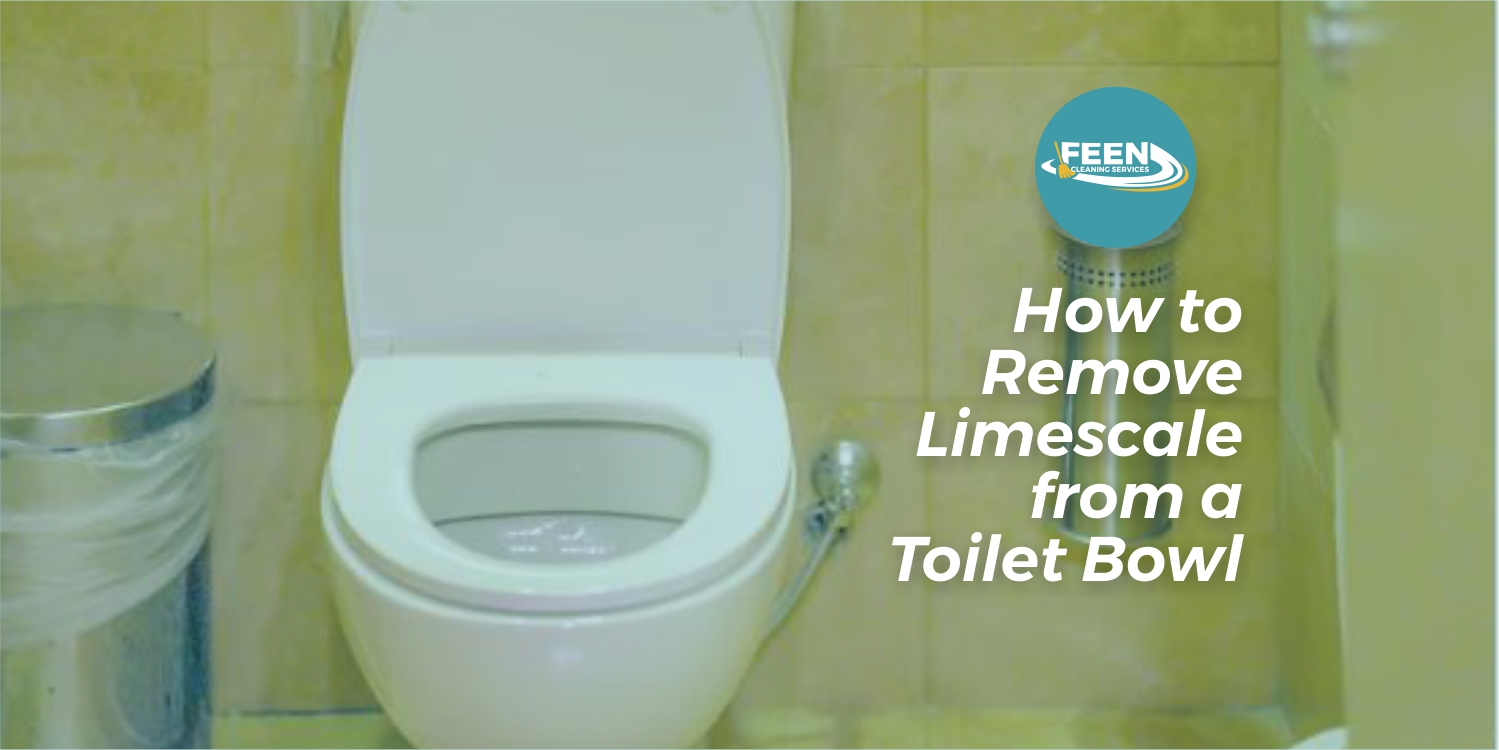

Limescale is one of the main reasons your toilet looks dirty again shortly after cleaning. In fact, if you live in a hard water area in the UK, those white, brown, or grey stains around your toilet bowl are most likely caused by mineral deposits.
In this expert guide, we explain what limescale is, why it matters, and, most importantly, how to remove limescale from a toilet bowl effectively.
What is Limescale?
To understand this better, limescale is a hard, chalky deposit made mostly of calcium carbonate. It forms when hard water evaporates, leaving minerals behind on surfaces such as toilets, taps, and shower screens.
Signs of Limescale Build-Up
For example, common signs of limescale build-up include:
• Chalky or rough texture on surfaces
• White, yellow, or brown stains
• Stubborn rings around the toilet waterline
• Reduced water flow in taps and showerheads
Why Removing Limescale is Important
More importantly, ignoring limescale can lead to bigger household problems.
• Reduced appliance efficiency (kettles, boilers, washing machines)
• Higher energy bills due to heating inefficiency
• Blocked pipes and reduced water pressure
• Unpleasant odours and hygiene issues
Therefore, for homeowners in hard water areas, regular descaling is essential.
Quick Limescale Checks at Home
Before taking action, you may already have limescale if you notice:
• White deposits on taps and showerheads
• Flaky residue inside your kettle
• Toilet bowl stains that don’t scrub off
• Slower boiling or weak water pressure
If this is the case, and buildup is severe, consider hiring professionals like Feen Cleaning Services for safe and effective removal.
What NOT to Do When Removing Limescale
However, it is equally important to avoid these common mistakes:
• ❌ Using metal scrubbers or harsh abrasives (they can scratch surfaces)
• ❌ Mixing bleach with vinegar or acids (this creates dangerous fumes)
• ❌ Expecting instant results on heavy build-up
In reality, limescale removal requires patience, soaking time, and the right method.
How to Remove Limescale from a Toilet Bowl (Step-by-Step)
Step 1: Lower the Water Level
• Turn off water supply (if possible)
• Flush to reduce water level
• Remove excess water with a cup
✔ As a result, cleaning products can directly target the limescale.
Step 2: Use a Professional Limescale Remover
• Apply toilet descaler under the rim and on stains
• Leave for the recommended time
• Scrub and flush
✔ Therefore, this method is best for heavy limescale build-up.
Step 3: Use Vinegar (Eco-Friendly Method)
Alternatively, you can use natural solutions:
Option A: Vinegar Soak
• Pour white vinegar onto stains
• Leave for 30–60 minutes (or longer)
• Scrub and flush
Option B: Baking Soda Paste
• Apply paste to stains
• Leave for 15–20 minutes
• Scrub and rinse
✔ Overall, this method is ideal for light to moderate limescale.
Step 4: Use Bleach (For Whitening Only)
• Apply after descaling
• Leave for 30 minutes
• Flush thoroughly
⚠️ However, bleach does not remove limescale it only improves appearance.
Step 5: Use a Pumice Stone (With Caution)
• Keep the surface wet
• Gently rub stains
✔ In some cases, this works on stubborn deposits
⚠️ However, there is a risk of scratching if used incorrectly.
Step 6: Lemon & Vinegar Mix
• Mix equal parts
• Spray and leave for 1 hour
• Scrub and rinse
✔ Additionally, this is a natural and effective option for regular cleaning.
Step 7: Coca-Cola Method (Light Cleaning Only)
• Pour into the bowl
• Leave for 1 hour
• Scrub and flush
✔ That said, this method works only on minor stains.
When to Call a Professional Cleaning Service
However, some of these methods don’t always work, especially for thick, old limescale deposits.
You should consider professional help if:
• Limescale keeps returning quickly
• Stains won’t go away after multiple attempts
• You want to avoid surface damage
• You need a full deep clean
In such situations, Feen Cleaning Services provides expert deep cleaning and limescale removal across the UK using safe, industry-grade products.
Final Tips to Prevent Limescale
To prevent future build-up, follow these simple tips:
• Clean toilets weekly
• Use water softeners in hard water areas
• Wipe surfaces dry after use
• Descale appliances regularly
By doing this, you can significantly reduce limescale formation.
Conclusion
In conclusion, limescale is stubborn but manageable with the right approach. Ultimately, whether you choose vinegar, specialist cleaners, or professional services, consistency is key.
For long-lasting results, trust Feen Cleaning Services, your reliable partner for expert cleaning solutions.